Pune
+919823246065
+919823246065

Welcome To Spine Health Clinic

about-cover-bg image
Dr Rahul Chaudhari-Spine Surgeon in Pune

The Best Spine Surgeon in Pune, Maharashtra and India

Spine Treatment
Featured Spine Treatment

What We Cure

Lumbar Microdiscectomy

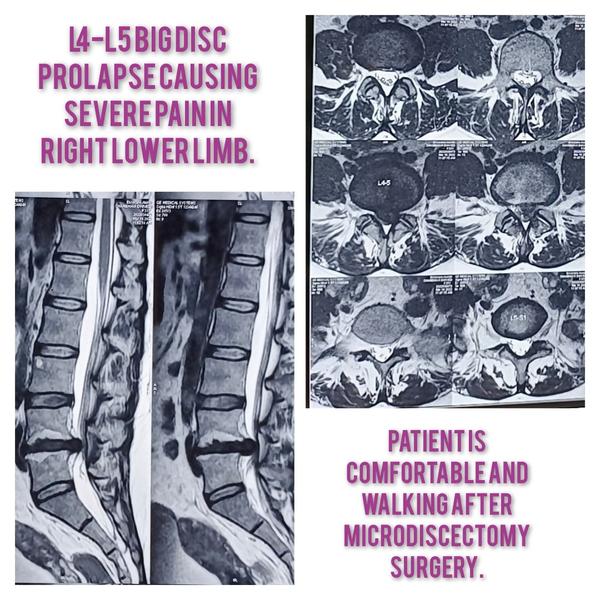
Dr Rahul Chaudhari is the Best Lumbar Microdiscectomy Surgery Specialist in Pune, Maharashtra and India. Lumbar Microdiscectomy Surgery is a minimally invasive spine procedure used to treat certain cases of a herniated or slipped lumbar disc that compresses a spinal nerve. The main goal of surgery is to remove the portion of the disc pressing on the nerve, relieve nerve compression, and reduce symptoms such as sciatica, leg pain, numbness, and weakness. What Is Lumbar Microdiscectomy? The lumbar spine contains discs that act as cushions between the vertebrae. When a disc becomes damaged or herniated, its inner material can protrude and press against a nearby nerve root. This can cause pain that travels from the lower back into the buttock and leg. During a microdiscectomy, the spine surgeon uses specialized instruments and magnification to carefully remove the portion of the disc responsible for nerve compression while preserving as much healthy disc and surrounding tissue as possible. Conditions Treated Lumbar Microdiscectomy may be recommended for selected patients with: Lumbar slipped or herniated disc Sciatica caused by nerve compression Lumbar radiculopathy Persistent radiating leg pain Numbness or tingling caused by disc herniation Muscle weakness related to nerve compression Symptoms That May Improve The procedure may help relieve: Severe leg or buttock pain Sciatica Numbness and tingling Muscle weakness caused by nerve compression Difficulty walking or performing routine activities Benefits of Lumbar Microdiscectomy When appropriately indicated, potential benefits include: Small surgical incision Less disruption to surrounding muscles and tissues Relief of pressure on the affected nerve Reduced radiating leg pain Shorter recovery compared with some traditional open procedures Earlier return to normal activities for suitable patients How Is Lumbar Microdiscectomy Performed? The procedure is performed under anesthesia. The surgeon makes a small incision in the lower back and uses specialized visualization and instruments to access the affected area. A small amount of bone or tissue may be removed when necessary to safely reach the compressed nerve. The herniated portion of the disc pressing on the nerve is then carefully removed. Recovery After Surgery Recovery varies depending on the severity of nerve compression, overall health, and type of procedure performed. Many patients are encouraged to walk soon after surgery. Activity is gradually increased according to the surgeon's recommendations. Physical therapy may be advised to improve core strength, flexibility, posture, and spinal function. Is Lumbar Microdiscectomy Right for You? Not every patient with a slipped disc requires surgery. Conservative treatments such as medication, physiotherapy, activity modification, and other non-surgical approaches may be effective for many patients. Surgery may be considered when symptoms persist despite appropriate treatment or when significant neurological problems develop. If you have persistent sciatica, severe leg pain, numbness, tingling, or weakness caused by a lumbar disc herniation, consult an experienced spine surgeon for an accurate diagnosis and personalized treatment plan.

Laser Endoscopic Discectomy

Dr Rahul Chaudhari is the Best Laser Endoscopic Discectomy Surgery Specialist in Pune, Maharashtra and India. Laser Endoscopic Discectomy Surgery is a minimally invasive spine procedure used to treat selected patients with a herniated or slipped disc that is compressing a spinal nerve. The procedure uses a small endoscope and specialized instruments to access the affected disc through a tiny incision, remove the problematic disc material, and relieve pressure on the nerve. In selected cases, laser energy may be used to treat or remove disc tissue. What Is Laser Endoscopic Discectomy? A slipped or herniated disc can irritate or compress nearby nerves, resulting in back or neck pain, sciatica, numbness, tingling, or weakness. Laser endoscopic discectomy aims to address the source of nerve compression while causing less disruption to surrounding muscles and tissues than traditional open surgery. Conditions Treated The procedure may be considered for selected patients with: Lumbar slipped or herniated disc Sciatica caused by disc herniation Nerve root compression Persistent radiating leg pain Certain cervical disc herniations Disc-related pain that has not improved with conservative treatment Benefits of Laser Endoscopic Discectomy Depending on the patient's condition, potential benefits may include: Smaller incision Less muscle and soft-tissue disruption Reduced postoperative discomfort Lower blood loss compared with many open procedures Shorter hospital stay in suitable cases Earlier return to routine activities Relief from nerve-related leg or arm pain How Is the Surgery Performed? The procedure is generally performed through a very small incision. Using imaging guidance, the surgeon introduces an endoscope to reach the affected disc. The herniated disc material pressing on the nerve is carefully removed using specialized instruments. Laser energy may be used selectively to treat disc tissue. The approach and technique depend on the location and type of disc problem. Recovery After Surgery Recovery varies from patient to patient. Many suitable patients can begin walking soon after the procedure and may return to routine activities progressively under medical guidance. Heavy lifting, strenuous exercise, and activities that place excessive stress on the spine should be avoided until the surgeon advises that they are safe. Physiotherapy may be recommended to improve strength, flexibility, and spinal function. Who May Be a Candidate? Laser endoscopic discectomy is not suitable for every type of back or neck problem. A spine specialist evaluates the patient's symptoms, neurological examination, MRI or other imaging findings, disc condition, and response to non-surgical treatment before recommending the procedure. If you are experiencing persistent back pain, sciatica, numbness, tingling, or weakness due to a slipped or herniated disc, consult an experienced spine surgeon to determine whether minimally invasive endoscopic discectomy is appropriate for you.

Spinal Decompression Surgery

Dr Rahul Chaudhari is the Best Spinal Decompression Surgery Specialist in Pune, Maharashtra and India. Spinal Decompression Surgery is a surgical procedure performed to relieve pressure on the spinal cord or nerves caused by conditions such as spinal stenosis, slipped or herniated discs, bone spurs, or other changes in the spine. The main goal is to create more space for compressed nerves, reduce pain, and improve mobility and daily function. What Is Spinal Decompression Surgery? When the spinal canal or nerve passageways become narrowed, they can put pressure on the spinal cord or nerve roots. This may lead to back or neck pain, leg or arm pain, numbness, tingling, weakness, or difficulty walking. Spinal decompression surgery involves removing or reducing the structures responsible for this compression. Depending on the condition and location of compression, procedures such as laminectomy, laminotomy, discectomy, or foraminotomy may be performed. Conditions Treated Spinal decompression surgery may be considered for selected patients with: Spinal stenosis Herniated or slipped discs Bone spurs Nerve root compression Cervical or lumbar radiculopathy Sciatica caused by nerve compression Degenerative changes in the spine Certain cases of spinal cord compression Symptoms That May Require Evaluation Patients with spinal nerve compression may experience: Persistent back or neck pain Pain radiating into the arms or legs Numbness or tingling Muscle weakness Difficulty standing or walking for long periods Reduced balance or coordination Leg pain that improves when sitting or bending forward Benefits of Spinal Decompression Surgery When appropriately indicated, decompression surgery can help: Relieve pressure on compressed nerves Reduce radiating arm or leg pain Improve walking and physical activity Reduce numbness and tingling in suitable cases Improve overall mobility and quality of life Prevent worsening neurological problems in certain conditions How Is Spinal Decompression Surgery Performed? The procedure is performed under anesthesia. The surgeon makes an incision over the affected area of the spine and carefully removes the tissue, bone, or disc material causing nerve compression. Depending on the patient's condition, decompression may be performed using conventional or minimally invasive techniques. In some cases, spinal fusion or stabilization may also be recommended if there is spinal instability. Recovery After Surgery Recovery depends on the type and extent of surgery, the spinal level treated, and the patient's overall health. Patients are usually encouraged to gradually increase activity as advised by their surgeon. Physical therapy and proper posture may help restore strength, flexibility, and function during recovery. Is Spinal Decompression Surgery Right for You? Surgery is not required for every patient with back or neck pain. A spine specialist evaluates symptoms, physical examination findings, and imaging such as MRI or CT scans to determine whether decompression surgery is appropriate. If persistent back or neck pain, numbness, weakness, or radiating limb pain is affecting your daily activities, consult an experienced spine surgeon for an accurate diagnosis and personalized treatment plan.

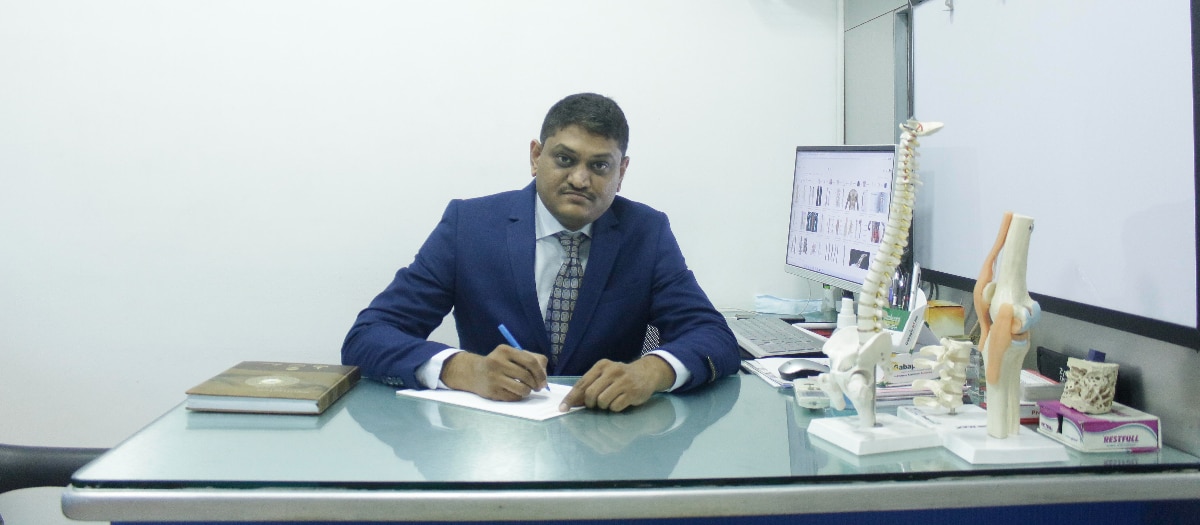
Doctor's Profile Picture

Dr Rahul Chaudhari

Dr Rahul Chaudhari

[MBBS MS (Orthopedic) ECFMG (USA) Clinical Fellow-Adult Spine Surgery (USA) & Pediatric Spine Scoliosis Surgery (USA)]
Pune

Speciality

Orthopaedic Spine/Scoliosis Surgeon [ Surgery - 8000 + ]


Education

[MBBS MS (Orthopedic) ECFMG (USA) Clinical Fellow-Adult Spine Surgery (USA) & Pediatric Spine Scoliosis Surgery (USA)]


Experience

20 years


Mobile

8010130003


Memberships

MBBS MS (Ortho) ] Excellence International Excellence M.B.B.S (Bachelor of Medicine & Bachelor of Surgery) M.S. (Master of Surgery) Orthopedics Fellowship Trained Spine Surgeon (USA) Fellowship Trained Scoliosis Surgeon (USA) Fellowship Trained Pediatric Orthopedic Surgeon (USA) Operated patients from USA UK Singapore Oman Yemen ECFMG Certified (USA) Trained In United States Of America


Registration No

2002/02/807

Image Gallery

Pictures That Speak

Need Trusted Second Opinion?

Not sure about your diagnosis or treatment plan? We're here to help.

Testimonials View All
testimonial image

Dear Dr. Rahul Chaudhari, I wanted to take a moment to express my deepest gratitude for the exceptional care and experti...

Read More
testimonial image

My mother Anuja, 56 Years old as of today - started getting pain and cramps in her left leg almost 15 years ago. It was ...

Read More
testimonial image

I must definitely say Dr. Rahul Chaudhri sir is a great spine surgeon. as I had met sir at Manipal Hospital Baner for my...

Read More

footerhc